NATUREFIN 2026 – Steps We Are Taking toward a More Sustainable Meeting
The City of Heinola is aiming to create an impactful event that also considers the natural and social environment. We believe that sustainable choices can make the meeting experience even better.

Sustainable Project Practices
The Heinola Project Meeting is planned to demonstrate more sustainable choices from minimizing physical meeting materials to choosing local ingredients during meals. In December 2025, Heinola was invited to present sustainable project practices at an Interreg Europe webinar. Project Manager Jaana Kuula discussed how Heinola follows the principles of sustainability in everyday project work and planning the project meeting, especially in the context of catering and meal venues. Interreg Europe has also published a set of instructions for greener project activities, which guide Heinola in considering the various aspects of sustainable meeting planning.
Venues and Transportation
In planning the project meeting, Heinola considers the environmental impact of venues and transportation of people and goods. The city prioritizes venues and visits to locations that are accessible by means of public transport and that demonstrate respect for the surrounding environment.
Sustainable transportation choices start before the meeting, and a guide provided to the guests includes instructions on how to reach the city and main meeting venue using public transportation. Within the city, Heinola encourages soft mobility, and daily transitions between venues, activities, and meals are primarily designed to be made on foot. For longer distances, bus transportation is used.
In addition to good traffic connections, venues and visit locations have been chosen to demonstrate environmental values and the unique characteristics of Nordic nature. Visits to local businesses educate guests on sustainable practices both in heavy industry and the service sector, and an afternoon spent in a Finnish forest offers a tangible nature experience. A dinner enjoyed in a repurposed historical building also follows the core principles of sustainability and extending the lifespan of materials.
Material Consumption
The project meeting is organized with minimal purchases of new physical materials. The program and other attendance materials are shared with the meeting attendees in a digital form, which enables real-time updates and eliminates the need for paper copies. Any signposting and promotional materials are also kept to a functional minimum, with a preference for digital instructions and marketing. Single-use items, such as lanyards or paper cups are avoided where reusable alternatives are available. For example, there will be no need for bottled water in the meeting rooms, as Heinola has some of the cleanest tap water on the planet.
Greener eating
One major aspect of event sustainability is catering. The Heinola Project Meeting considers the environmental impact of meals and food. By prioritizing local and seasonal, plant-based or wild-caught foods, the carbon footprint of meals can be lowered. Greener eating also acknowledges the amount of waste, which is minimized by always adjusting the amounts of food to the number of guests and avoiding single-use tableware.
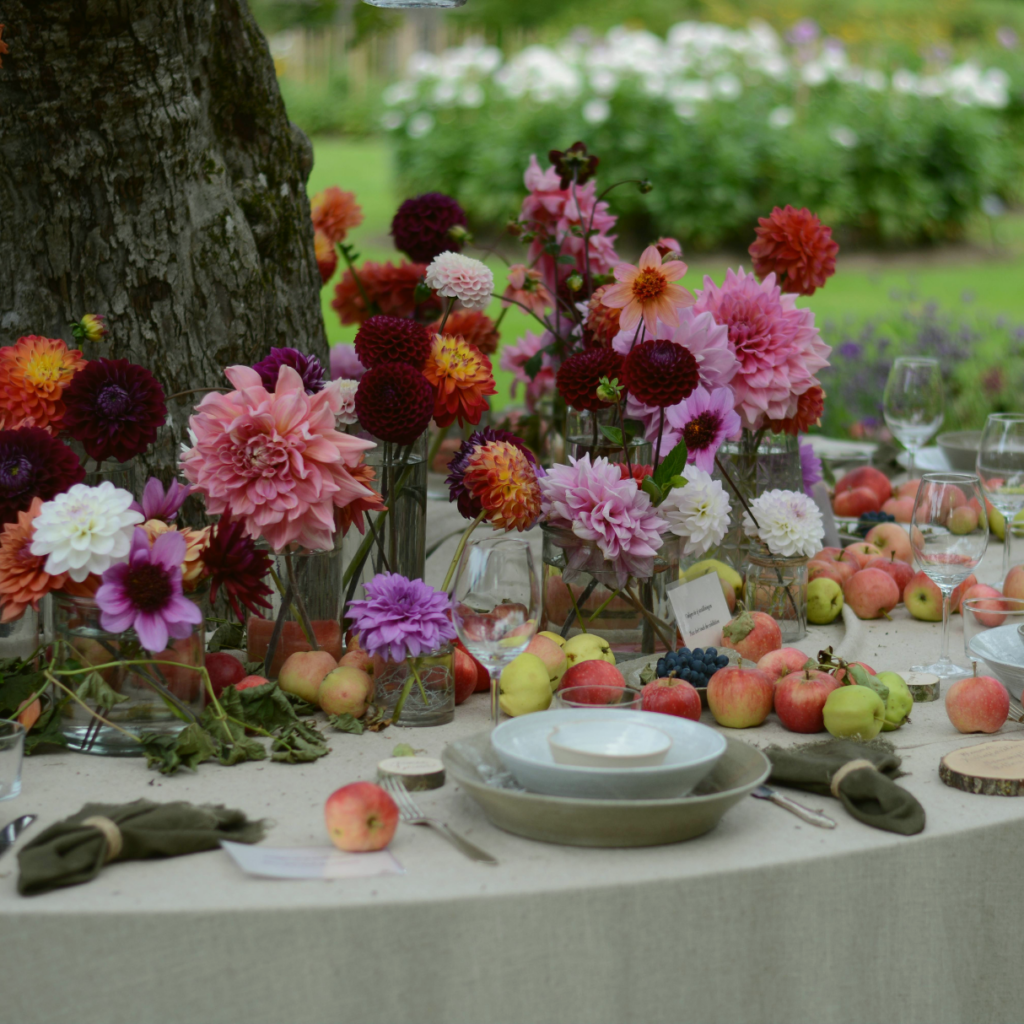
Project Dinner
The Project Dinner at Bistro Tango & Matto celebrates the Heinola Project Meeting and the approaching Midsummer with seasonal foods and local ingredients.
Social and Cultural Sustainability
In addition to ecological sustainability and considering the natural environment, the Heinola Project Meeting incorporates principles of social and cultural sustainability. The strategic goals of the City of Heinola include supporting prosperity and upholding a strong city community. These goals can also be met through planning a diverse and accessible event that engages the local community and promotes cultural values.
Supporting the Local Community
A major ambition in planning the project meeting is to utilize the services of local vendors and businesses as widely as possible from transportation and accommodation to meals and culture services. By employing locals and promoting their expertise, the Project Meeting can support the community livelihoods and bring visibility to the compelling, high-quality services found in Heinola.
One good example of engaging local communities is the choice of lunch venues. One of the lunches is served at a restaurant run by a social enterprise that also provides community college courses, integration services to immigrants, and assisted living for the elderly and disabled. The restaurant also serves an assisted living facility, and it brings together the different generations of Heinola. Another lunch is served at a food market and restaurant that offers heritage cuisine and seasonal products from local farms and small businesses.
Respecting Cultural Heritage
The international project consortium of NATUREFIN receives a valuable opportunity to learn about the unique ways of living of the other partners. During the Heinola Project Meeting, the guests will be introduced to locally significant cultural heritage, cuisine, and activities. These include trying traditional foods, visiting historical sites and experiencing Finnish nature through a walk in the Salpausselkä UNESCO Global Geopark.
The Project Meeting is also a part of Heinola’s 250th anniversary. The city is full of events and celebration throughout the year, and the project meeting is an opportunity to present 250 years of history and growth founded on the surrounding water, forests and ridges.